
If you’ve never heard of fresh-milled flour before, you’re not alone. Most of us grew up grabbing a bag of all-purpose from the grocery store and never thought twice about it. We certainly didn’t, until we learned what was actually missing from that bag.
Once you understand what fresh-milled flour is and why it’s so different from what lines the shelves at your local grocery store, it’s hard to go back. And that’s exactly why we started Kern River Milling.
So let’s break it down, no fluff, no jargon. Just the honest truth about your flour.
What’s Actually in That Bag of Store-Bought Flour?
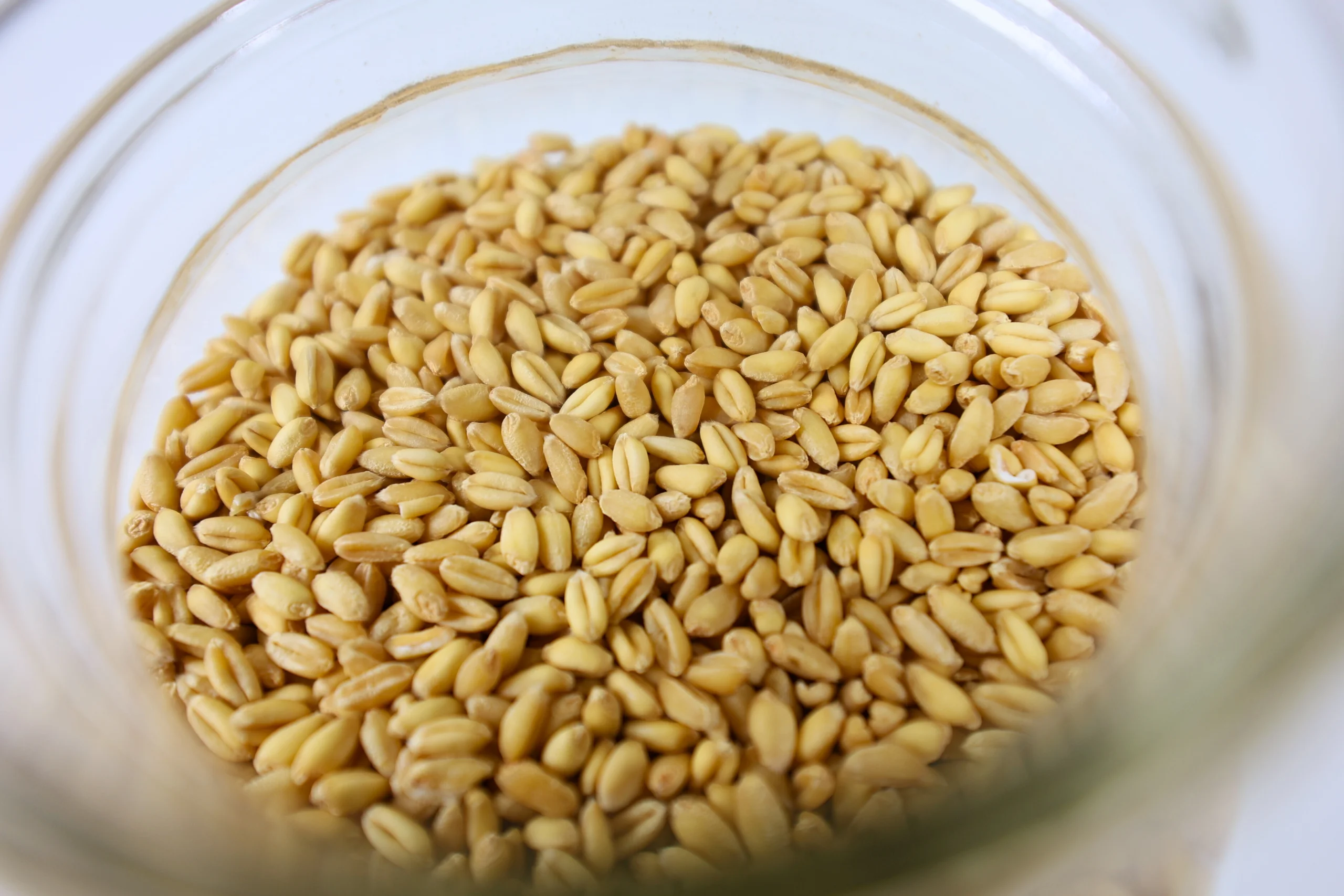
A wheat berry, the whole seed of a wheat plant, is made up of three parts:
- The Bran, the fiber-rich outer layer, packed with B vitamins and trace minerals
- The Endosperm, the starchy middle, which provides carbohydrates and some protein
- The Germ, the inner core, full of Vitamin E, antioxidants, and healthy fats
Here’s the problem: when commercial mills produce the flour you find at the grocery store, they strip away the bran and the germ entirely. What’s left is just the starchy endosperm, which is essentially what white flour is.
Why do they do this? Shelf life. The germ contains natural oils that can go rancid over time, which is bad for a product sitting in a warehouse for months. So they remove it, the flour lasts longer, and the store’s happy.
But you’re the one who loses out.
When the bran and germ are removed, you lose a huge portion of the nutrition that makes wheat worth eating in the first place, fiber, vitamins, minerals, healthy fats. Sometimes manufacturers add a few synthetic vitamins back in to make up for it (that’s what “enriched” means on the label), but it’s not the same as the real thing. Not even close. You can read more about the difference on our Why Fresh-Milled Flour page.
So What Makes Fresh-Milled Flour Different?
Fresh-milled flour starts with the whole wheat berry, bran, germ, endosperm and all, and grinds it fresh, right before it’s packaged or delivered to you.
At Kern River Milling, we take this seriously. We don’t even turn on the mill until your order comes in. In fact, we mill your flour just one hour before pickup, which means the flour you take home is still warm from the stone. That’s not a marketing line, that’s just how we do things.
Why does timing matter so much? The moment a grain is cracked open, its natural oils and nutrients start to oxidize. The fresher the mill date, the more of those nutrients you actually get. Most commercial flour has been sitting in a silo or on a shelf for weeks, sometimes months, by the time it reaches your kitchen.
Fresh-milled flour gives you:
- Nearly 40 of the 44 essential nutrients your body needs
- Natural Vitamin E and B vitamins before they degrade from oxidation
- The healthy fats and volatile oils from the wheat germ, which is also what gives fresh-milled bread that incredible aroma you’ll notice right away
- Zero preservatives or additives, because it doesn’t need them
Does It Actually Taste Different?
Yes, and this is the part most people don’t expect.
Fresh-milled flour has a depth of flavor that store-bought just doesn’t have. Bread made with it tastes like real bread. There’s a natural sweetness, a richness, and an aroma when it’s baking that makes your kitchen smell like an actual bakery. Once you’ve eaten a loaf made with fresh flour, the grocery store stuff tastes flat by comparison.
Which Flour Should a Beginner Start With?
This is one of the most common questions we get, and the good news is, there’s a pretty easy answer.
Hard White Wheat is what we recommend for most people new to fresh-milled baking. It’s the “gateway grain” for a reason. It has the protein and gluten strength you need for bread to rise beautifully, but it has a mild, slightly sweet flavor, none of the bold, earthy bite that some people expect from whole wheat. If you’ve ever wanted a 100% whole grain sandwich loaf that your whole family will actually eat, Hard White is usually your answer. It’s incredibly versatile: sandwich bread, dinner rolls, pizza dough, cinnamon rolls, it handles all of it.
Soft White Wheat is our other beginner-friendly flour, and it works differently. It’s lower in protein and gluten, which makes it perfect for bakes where you want a tender, delicate crumb, think pancakes, muffins, biscuits, pie crusts, and cookies. If Hard White is your bread flour, Soft White is your pastry flour. Same whole-grain goodness, just a lighter touch.
Not sure which to try first? We put together an Organic Fresh-Milled Flour Combo, 3 lbs of Hard White and 3 lbs of Soft White, so you can get a feel for both without committing to a full bag.
“Okay, But Is It Hard to Bake With?”
We hear this a lot, and we get it. Fresh-milled flour does behave a little differently than the stuff you’re used to, it absorbs liquid differently, and because it still has all that fiber and germ in it, your doughs and batters may look or feel slightly different at first.
But “different” doesn’t mean “harder.” It just means a small learning curve, and we’re here to help with that.
A few beginner-friendly recipes from our kitchen to get you started:
- Cinnamon Banana Muffins, 30 minutes, beginner level. A great first bake.
- Spelt Sandwich Bread, beginner level, and a perfect first loaf if you want to try your hand at bread.
- Yummy Chocolate Cake, 45 minutes, beginner. Because sometimes you just need cake.
- Spelt Waffles, 15 minutes, beginner. Weekend mornings just got better.
And if you really want to hit the ground running, we offer a Fresh-Milled Flour 101 Class where we walk you through everything from flour selection to your first bake. A lot of our customers say it made all the difference.
Ready to Try It?
The best way to understand fresh-milled flour is to taste it. Everything we mill is stone-ground to order using premium, non-GMO wheat berries, no shortcuts, no sitting on a shelf.
We offer local pickup in Bakersfield, CA, and ship throughout the United States. Orders over $100 ship free, use code freeshipping at checkout.
And if you want a head start, sign up for our newsletter and we’ll send you a free Beginner’s Guide to Fresh-Milled Flour straight to your inbox.
Real flour. Real bread. It starts here.