
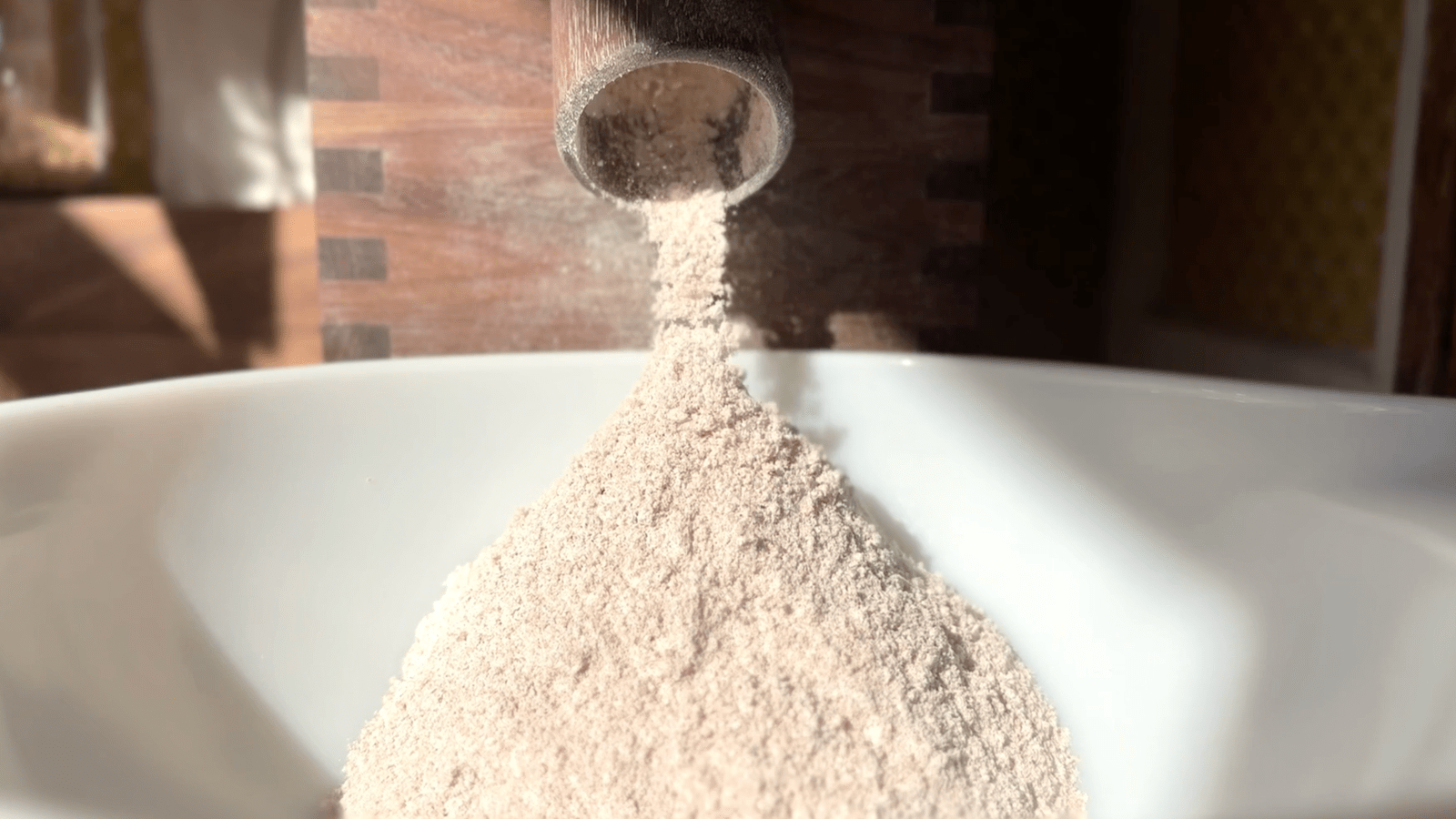
The main difference between fresh milled flour and store-bought flour is the presence of the living germ and bran. Commercial flour is processed to be shelf-stable, which involves removing the most nutritious parts of the grain to prevent spoilage. Freshly milled flour retains 100% of the grain’s vitamins, minerals, and healthy oils.
What makes fresh milled flour nutritionally superior?
Fresh milled flour contains nearly 40 of the 44 essential nutrients found in wheat. When you mill a whole wheat berry, you keep the fiber-rich bran and the nutrient-dense germ. Store-bought white flour is stripped of these, leaving only the starchy endosperm. Even “enriched” flour only adds back a handful of synthetic vitamins, which the body does not absorb as effectively as the natural versions found in Kern River Milling’s stone-ground grains.
Does fresh milled flour taste different than bagged flour?
Yes, fresh milled flour has a complex, nutty, and slightly sweet flavor that is missing from store-bought varieties. Because the volatile oils in the wheat germ are still intact, the aroma of the bread is significantly more intense. Many bakers describe the taste of fresh-milled bread as “real bread” compared to the flat, dusty flavor of flour that has sat in a warehouse for months.
Why does commercial flour have a longer shelf life?
Commercial flour is designed for stability, not nutrition. Large mills remove the wheat germ because its natural oils go rancid quickly at room temperature. By removing the “life” of the grain, they can keep bags on grocery store shelves for over a year. At Kern River Milling, we don’t turn on the mill until your order is confirmed, ensuring you get the nutritional benefits before oxidation occurs.
Is fresh milled flour easier to digest?
Many people with non-celiac gluten sensitivity report that fresh milled flour is easier on the gut. This is often attributed to the lack of preservatives, bleaches, and dough conditioners used in commercial milling. Additionally, the natural enzymes preserved in fresh-milled flour assist in the fermentation process, which helps break down gluten proteins more effectively during baking.
How should I store my Kern River Milling flour?
To preserve the peak nutrition of fresh milled flour, you should store it in an airtight container in the refrigerator or freezer.
- Room Temperature: Use within 3 days.
- Refrigerator: Best for up to 7 days.
- Freezer: Stays fresh for up to 6 months. Because we mill our flour just one hour before pickup in Bakersfield, you are starting with the highest possible “freshness window.”
Can I use fresh milled flour in my existing recipes?
You can substitute fresh milled flour 1:1 by weight, but you may need to increase your hydration. The bran in fresh flour is thirsty and absorbs more water than processed flour. A good rule of thumb is to add 1–2 extra tablespoons of liquid per cup of flour, or allow your dough to rest (autolyse) for 20 minutes before kneading to allow the bran to soften.
Ready to Taste the Difference?
Kern River Milling specializes in small-batch, stone-ground flour milled to order. We believe real bread starts with real flour—milled fresh, warm from the stones, and delivered straight to your kitchen.
- Best For Bread
HARD RED WHEAT FLOUR
Price range: $15.00 through $87.00Clear3 Pounds10 Pounds25 Pounds - Best For Bread
HARD WHITE WHEAT FLOUR
Price range: $15.00 through $87.00Clear3 Pounds10 Pounds25 Pounds - Best For Pastries
SOFT WHITE WHEAT FLOUR
Price range: $15.00 through $87.00Clear3 Pounds10 Pounds25 Pounds - Best For Pastries
SPELT WHEAT FLOUR
Price range: $15.00 through $87.00Clear3 Pounds10 Pounds25 Pounds
Would it not be fairer to compare fresh milled flour with aged whole wheat flour? You wouldn’t compare apples with oranges, so why compare fresh milled flour to white flour?
Hi Treadstone,
That’s a completely fair point, and you’re spot on—comparing fresh-milled whole wheat directly to white flour can be like comparing apples to oranges!
The main reason we highlight that comparison is because refined white flour is what most people are accustomed to buying and baking with every day. However, even when comparing fresh-milled whole wheat to store-bought (aged) whole wheat flour, there’s still a huge difference: commercial whole wheat flour often has the germ removed during milling to extend shelf life (and sometimes added back later), which strips away vital nutrients and natural oils. Aged whole wheat flour can also oxidize over time, leading to a bitter taste.
Fresh-milled flour retains the entire grain—bran, germ, and endosperm—giving you peak nutrition and a noticeably sweeter, richer flavor without that bitterness. We really appreciate you bringing this up!