
Why Is My Whole Wheat Bread Dense? (And How to Fix It)
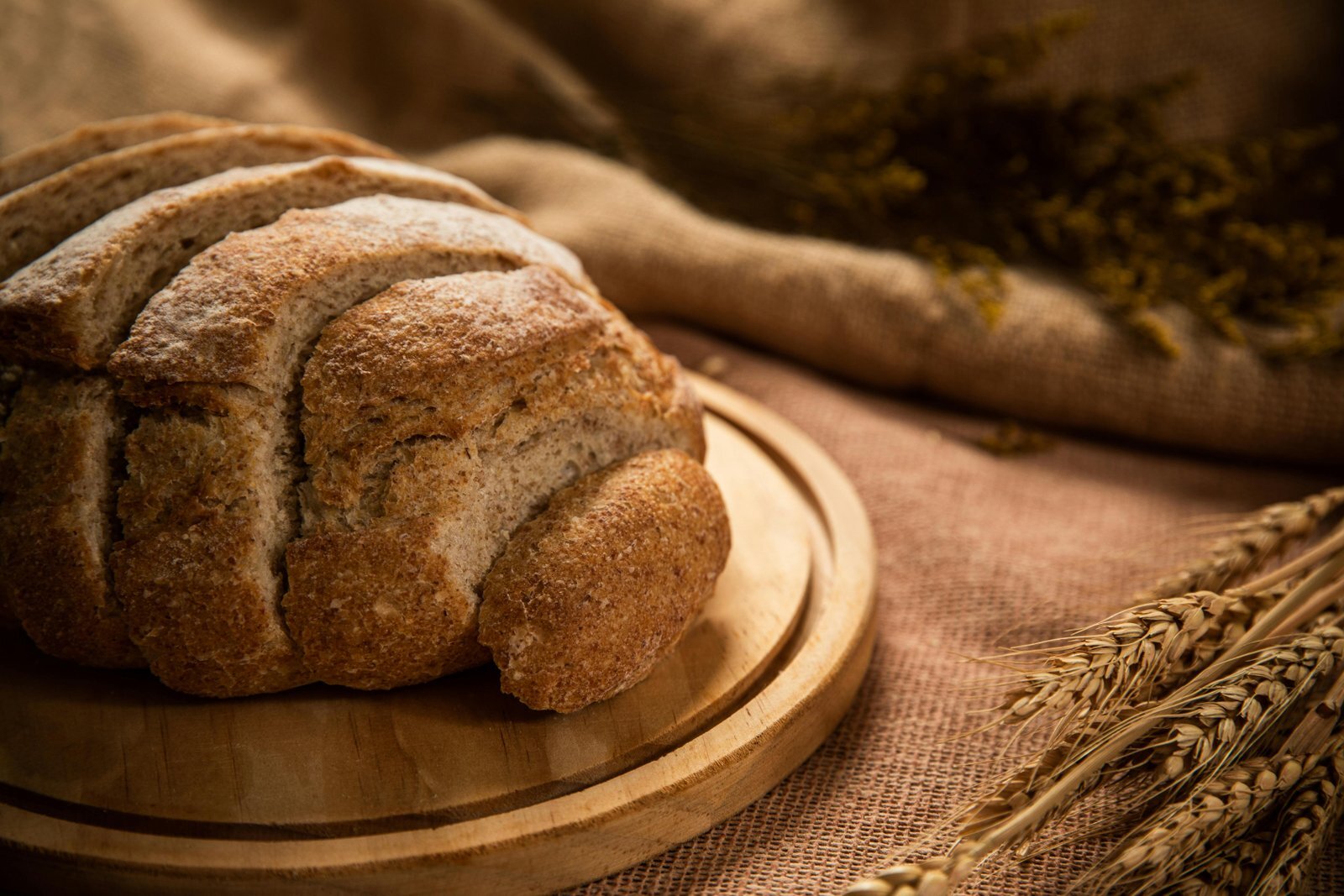
If you’ve tried baking with whole wheat—or fresh milled flour—and ended up with a dense, heavy loaf… you’re not alone.
This is probably the most common issue we hear about. The good news is it’s not random, and it’s usually fixable with a few key adjustments.
Why does whole wheat bread turn out dense?
Whole wheat flour behaves differently than white flour.
When you use the entire wheat berry (especially fresh milled), you’re including bran and germ. The bran can interfere with gluten development, which makes it harder for the dough to trap gas and rise properly.
So instead of a light, airy loaf, you get something that feels tight and heavy.
If your whole wheat bread is coming out dense, it’s usually a sign that something went wrong during fermentation or structure development.
If your bread isn’t rising at all, read this guide on why whole wheat bread doesn’t rise
Is dense bread a hydration problem?
A lot of the time, yes.
Whole wheat flour absorbs more water than white flour—especially fresh milled flour. If your dough feels stiff, dry, or hard to stretch, it probably needs more hydration.
Many bakers are surprised by how much water whole wheat can handle. Don’t be afraid of a slightly stickier dough.
Do I need to knead whole wheat dough more?
Not necessarily more—but differently.
Gluten develops a bit slower in whole wheat dough. Instead of aggressive kneading, it often responds better to:
- Stretch and folds
- Rest periods (autolyse)
- Longer fermentation
Letting the dough rest gives the flour time to fully absorb water and develop structure.
Should I mix whole wheat with white flour?
If you’re struggling, this is one of the easiest fixes.
Try starting with:
- 70–80% bread flour
- 20–30% whole wheat (or fresh milled flour)
This gives you better structure while still improving flavor and nutrition. From there, you can gradually increase the whole wheat percentage.
Does fresh milled flour make bread more dense?
It can—if you treat it the same as store-bought flour.
Fresh milled flour is more active and absorbs more water, so it needs adjustments in:
- Hydration
- Fermentation time
- Handling
Once you dial that in, it can actually produce incredible texture and flavor—it just has a learning curve.
How do I get a lighter loaf with whole wheat flour?
A few simple changes can make a big difference:
- Increase hydration slightly
- Let the dough rest before kneading (autolyse)
- Don’t rush fermentation
- Try blending flours while you learn
You don’t need to change everything at once—just adjust one variable at a time.
Final Thoughts
Dense whole wheat bread isn’t a failure—it’s usually just a sign that something needs to be adjusted.
Once you understand how whole wheat and fresh milled flour behave, everything starts to click. And when it does, the flavor alone makes it worth it.